
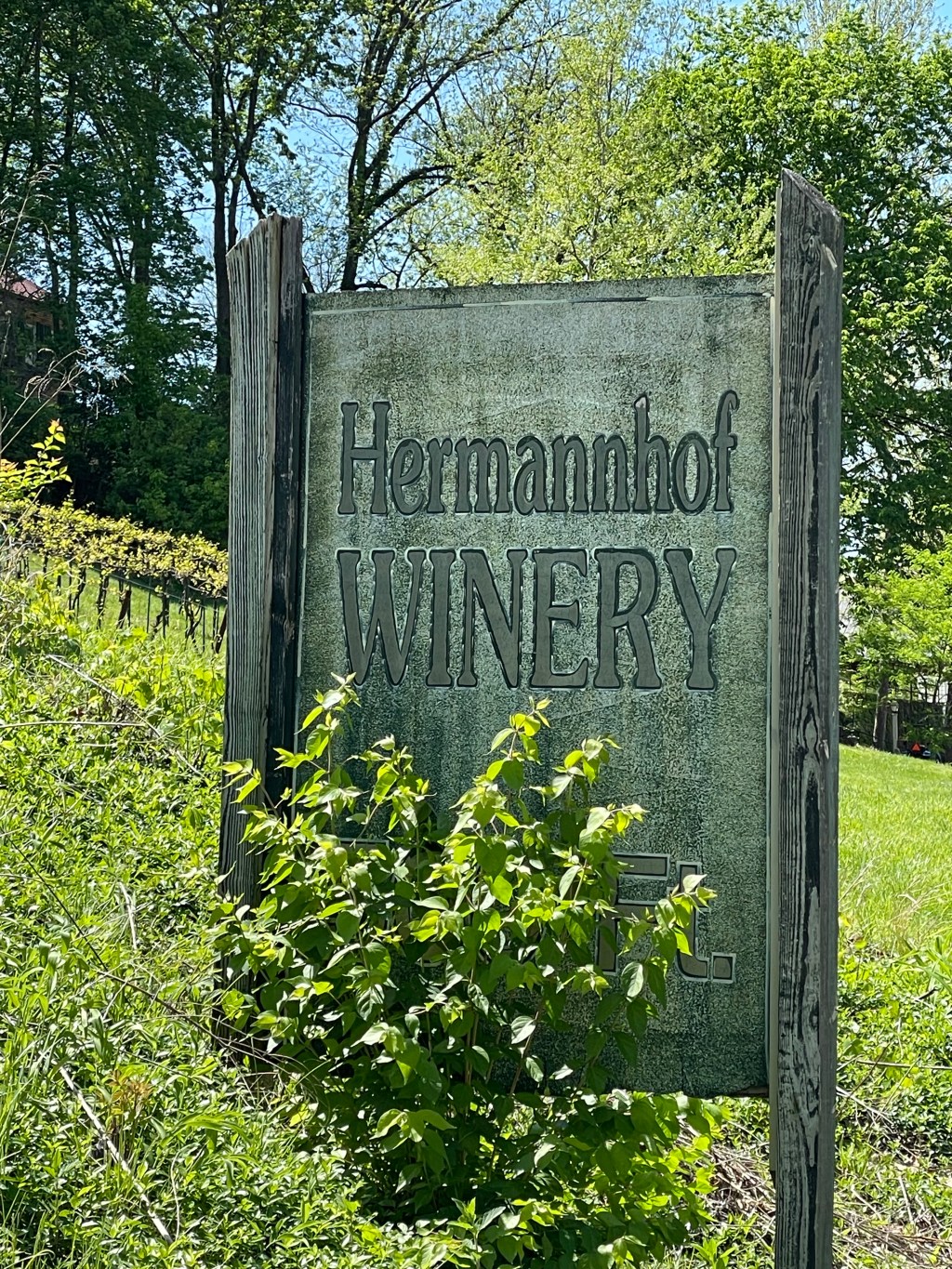
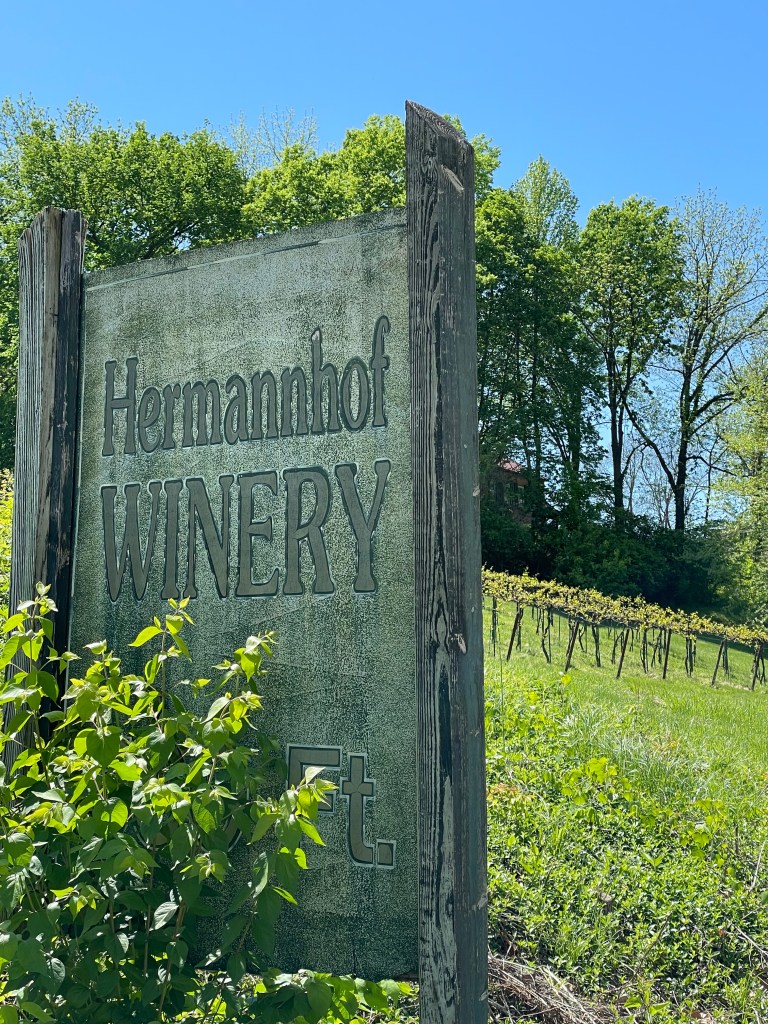
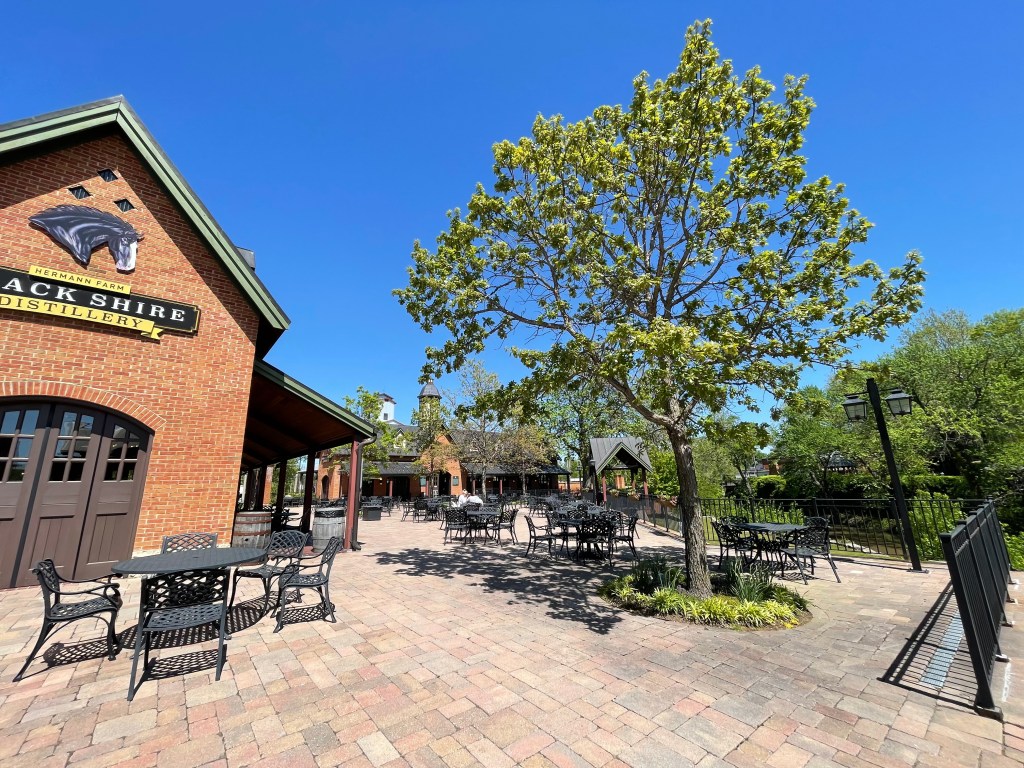
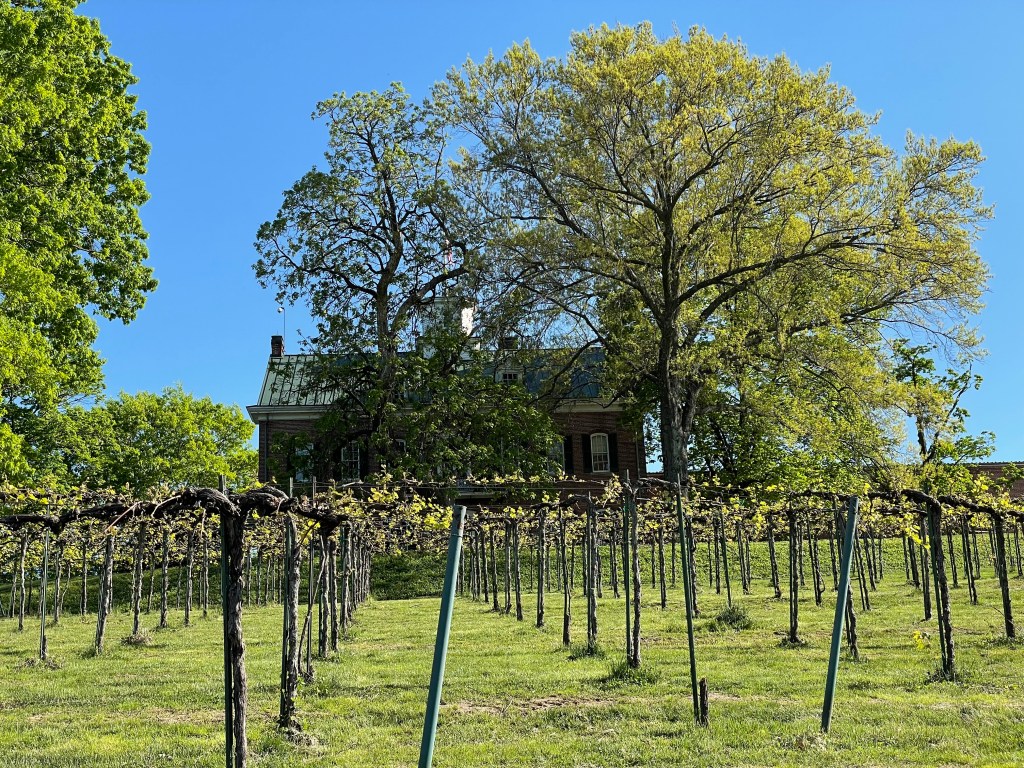
We landed in Hermann, Missouri for our next stop. I wanted to continue to explore local everything. If Hermann had a theme it would be wineries. I was very curious about how the local wine would taste and stand up to my French wine compass. I grew up drinking French wine and have searched for France on store shelves and menus ever since.
After visiting France and getting to drink local wine made from Vitis vinifera for five weeks in Langue d’Oc, Burgundy, Provence, and Champagne, I may have gotten spoiled. I was hopeful Missouri wine could challenge my bias.
It did but not with my taste buds. As I tasted wine made in Missouri I came to learn that they were not made from Vitis vinifera like the classic wines produced here and abroad. They are made from American hybrid grape varieties which can be a cross between Vitis vinifera and other North American species. This cross allows for Old World quality to pair with native disease and cold resistant qualities of the American species. I began to wonder if I was tasting the future and if it was possible that one of these hybrids could stand up to a classic French wine.
It has happened in the past but only with the same classic Vitis vinifera grape varieties. During the 1976 Judgement of Paris, American Cabernet Sauvignon and Chardonnay wines were compared to their French counterparts in a blind tasting that consisted of French and American judges. Chateau Montelena and Stags Leap Cellars both ranked as the overall most preferred wines in their respective categories. This moment was proof that American ingenuity could result in the ability to make world-class wines. In retrospect you could see this moment coming. The New York Times reported that there were earlier blind tastings where the American Chardonnay’s ranked above the French Burgundies (Chardonnay). The French explained it away saying the American’s had biased taste buds and the French wines were ruined during shipment.
We are experiencing a decrease in wine production as a result of demand, tariffs, and global competition. Are we in the midst of a perfect storm with global warming and pests threatening Vitis vinifera? One tour guide in Burgundy thought so. Is France stuck in her traditional ways or is she considering more than just reduce, reuse, and recycle to combat these changes like global warming? I hope so and I will continue to study in order to learn more about the wine producing spaces in our world in order to find out.
Some of the wines I tasted in Missouri were truly accessible to me. I could use the skills gained from my studies with the National Wine School Sommelier courses even though they focus only on wines made from Vitis vinifera. Furthermore, I was able to consider the structure and taste of these hybrid grapes varieties with the same curiosity and enjoyment as I would any wine from France.
 Interstate Adventures
Leave a comment